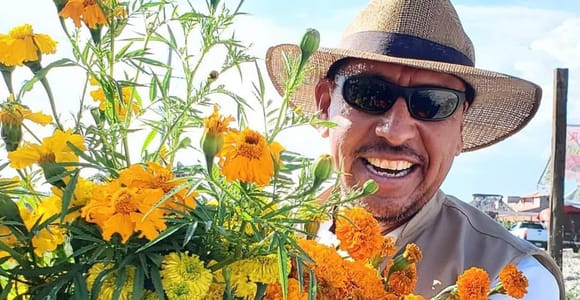
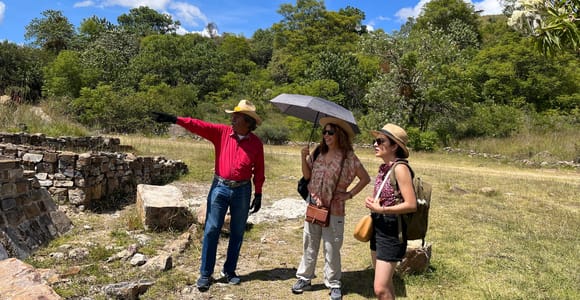
Day of the Dead in Oaxaca: what visitors need to know
Updated October 28, 2026 · 4 min read
Día de Muertos in Oaxaca is not one parade on one evening. Families prepare altars, food and flowers over several days; public exhibitions, comparsas and concerts run alongside private remembrance. The central dates are 1 and 2 November, while municipal programmes often begin in late October. Check the official Oaxaca calendar for the year you travel rather than relying on last year’s timetable.
Understand what you are seeing
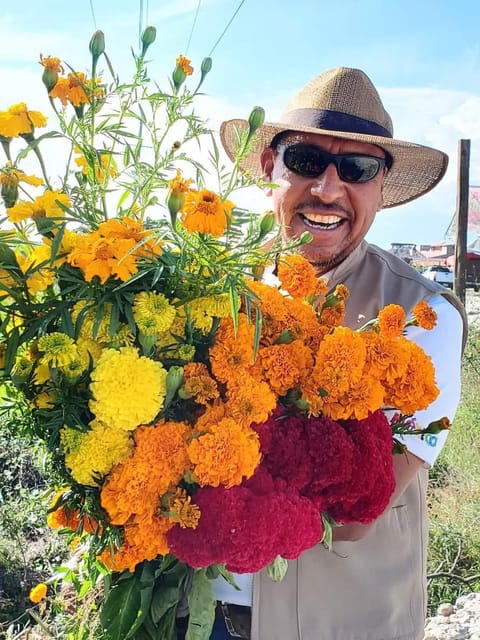
An altar may include photographs, candles, copal, marigolds, food and objects associated with the person being remembered. It is not a generic decoration. Ask before photographing a family altar, a person or a grave, and do not touch or rearrange an offering. Face paint and costumes appear in public events, but they are not an entry requirement.
Oaxaca City offers accessible public activity around the historic centre. Cemetery vigils in the city and nearby communities are different: they remain places where families spend time with their dead. A public opening or a guided visit does not turn the cemetery into a stage. Keep voices low, leave passages clear and follow local instructions about cameras, food and closing times.
Guided visit or independent evening?
The Day of the Dead preparations day with a Zapotec family is, according to the operator, a day with a Zapotec family in which you see the preparations and an altar and have hot chocolate with traditional bread. It does not replace an evening at a cemetery. Check the exact date, duration and transport on the booking page. A tour cannot promise a private ceremony or unrestricted photography.
Independent visitors can begin with public altars and scheduled events in the centre. This gives flexibility, but transport becomes harder late at night and popular cemeteries can be crowded. Do not arrive in a village assuming that every celebration welcomes an audience.
Book the practical parts early
Accommodation and evening transport tighten around the festival. Reserve a room well ahead, then wait for the current official programme before building an hour-by-hour plan. Carry small notes for food and local transport, dress for cool late evenings, and leave generous walking time where streets close for processions.
The respectful choice is simple: treat public events as an invitation and family remembrance as something you are privileged to witness. If a moment feels private, put the camera away.