Alebrijes and black clay: Oaxaca’s craft villages
Updated October 28, 2026 · 4 min read
San Martín Tilcajete and San Bartolo Coyotepec are often sold as two quick shopping stops south of Oaxaca. They make a better day when you treat them as working craft communities. Tilcajete is known for carved and painted copal-wood figures; San Bartolo for Barro Negro pottery whose dark, sometimes polished surface comes from technique rather than black paint.
What to watch in Tilcajete
A useful workshop visit separates carving, drying, sanding and painting. Ask who made the piece in front of you and how long the wood dried. “Alebrije” is widely used for these figures, although some makers prefer woodcarving or tonas and nahuales for particular forms. Copal wood is becoming scarce, and projects in Tilcajete replant copal trees.
What makes Barro Negro different
In San Bartolo Coyotepec, look beyond the final shine. Ask the potter to explain shaping, burnishing and firing. Decorative polished pieces and vessels intended for practical use are not interchangeable, so ask whether an object is food-safe or watertight rather than assuming. Packing matters: a fragile pot needs space and hand luggage may be safer than a checked suitcase.
Tour, workshop or independent visit?
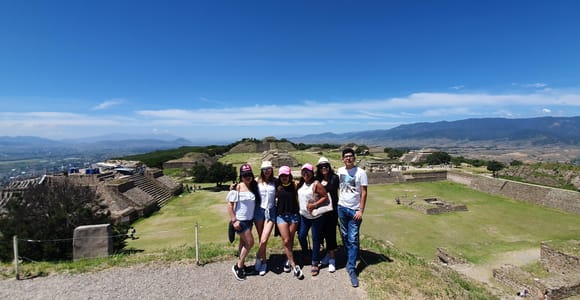
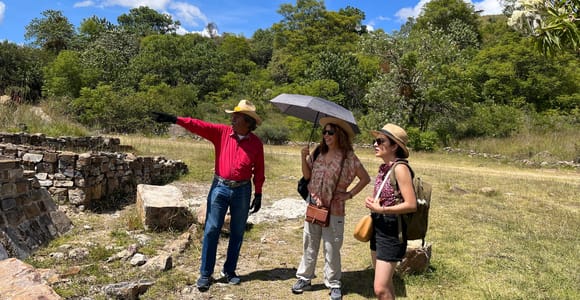
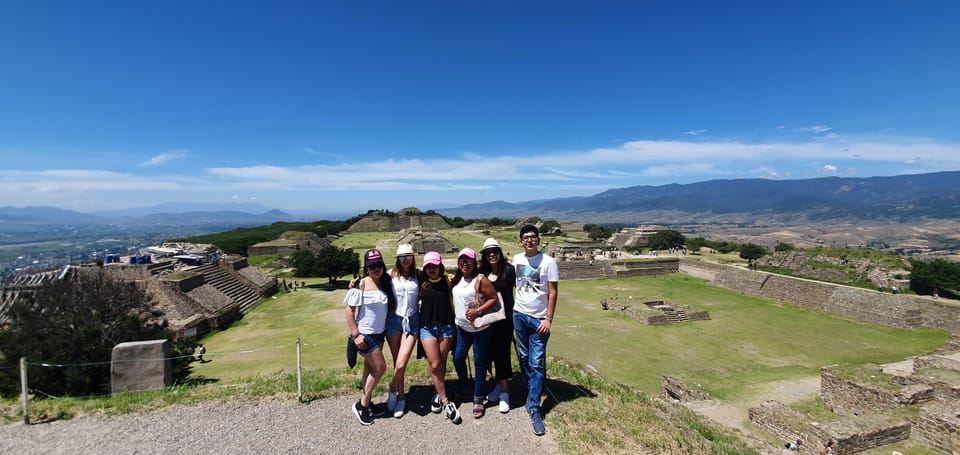
The Monte Albán, alebrijes and black-clay day trip joins archaeology with alebrije and pottery workshops; according to the operator they are in Arrazola and San Bartolo Coyotepec, not Tilcajete. It is efficient, but workshop time is fixed and some stops may feel commercial. Check what is included and whether demonstrations leave time for questions.
Independent travel gives you more choice, especially if you want to buy directly from one family or take a painting workshop. The drawback is organising two villages and return transport. Whichever format you choose, a demonstration does not create an obligation to buy. If you do purchase, ask for the maker’s name and care instructions; provenance is more useful than bargaining for the lowest price.